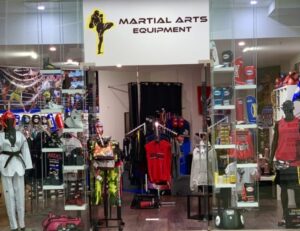
Martial arts gear and equipment reviews are essential for practitioners looking to enhance their training experience and ensure safety. Quality gear not only boosts performance but also contributes to the longevity of your martial arts journey. From uniforms to protective gear, understanding the various options available can make a significant difference in your training outcomes.
This exploration delves into the importance of selecting the right gear across different disciplines such as Karate, Judo, and Taekwondo, helping you make informed choices that align with your martial arts goals. We will also take a closer look at recent reviews of popular equipment, offering insights into their features and benefits.
Overview of Martial Arts Gear
Quality gear is a crucial component of martial arts training, serving not only to enhance performance but also to ensure safety during practice and competition. The right equipment can significantly influence training outcomes, providing athletes with the support they need to excel and minimize injury risk. As martial arts encompass a variety of disciplines, the gear varies accordingly to meet the specific demands of each style.The market offers a diverse array of martial arts gear, tailored to fit the unique requirements of different practices.
Essential gear generally includes protective clothing, training tools, and competition equipment. Understanding the distinctions among these items is key for practitioners at any skill level.
Types of Martial Arts Gear
Several categories of gear are essential for martial artists, each playing a specific role in training and competition. Below is a detailed overview of the primary types of martial arts equipment one might encounter:
- Protective Gear: This includes headgear, mouthguards, shin guards, and body protectors designed to prevent injuries during sparring and competitions.
- Uniforms: Known as gi in karate and judogi in judo, uniforms are tailored to provide comfort and flexibility while adhering to the standards of the respective martial art.
- Training Weapons: Items such as bo staffs, nunchaku, and swords are utilized in various disciplines for kata practice and skill development.
- Footwear: Some styles, like Taekwondo, require specialized shoes that offer grip and support, while others may practice barefoot.
Essential Gear for Different Martial Arts Disciplines
Each martial arts discipline has its own set of essential gear that caters to the techniques and training methods employed. Here’s a comparison of essential gear for Karate, Judo, and Taekwondo:
- Karate: The primary gear includes a traditional gi, a colored belt indicating rank, and protective gear such as gloves and shin guards for sparring. Karateka often use focus pads and heavy bags for training.
- Judo: Practitioners wear a judogi, which is thicker to withstand the grips and throws of the sport. Essential gear includes a belt and sometimes additional protective items like knee pads.
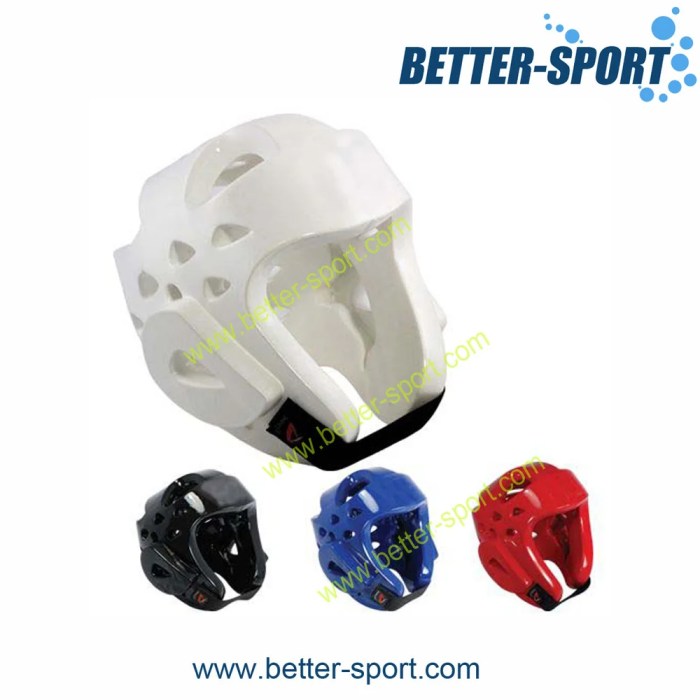
- Taekwondo: In addition to the dobok (uniform), practitioners often utilize foot protectors, hand gear, and a helmet during sparring to ensure safety, especially during tournaments.
Quality gear not only enhances performance but also reduces the risk of injury, making it an indispensable part of martial arts training.
Equipment Reviews and Recommendations
When it comes to martial arts, having the right equipment can make all the difference between a successful training session and a frustrating one. The landscape of martial arts gear continues to evolve, with brands constantly innovating to provide better quality, safety, and performance in their products. This section will dive into the latest equipment reviews, recommendations, and comparative analysis of popular brands and models in the martial arts gear industry.The importance of choosing the right gear cannot be overstated.
Equipment such as uniforms, protective gear, and training weapons not only affect your performance but also contribute to your safety during practice and competitions. With numerous options available, it can be challenging to determine which items are worth the investment. Below is an overview of some of the latest gear, including reviews and detailed comparisons.
Latest Martial Arts Gear Reviews
In this section, we will explore some of the most noteworthy martial arts gear available today. From uniforms designed for comfort and flexibility to advanced protective gear that ensures safety during sparring, these reviews will help practitioners make informed decisions.
- Uniforms: The Hayabusa Pro Jiu-Jitsu Gi has gained popularity for its durable fabric and excellent fit. It features reinforced stitching and a lightweight design, ideal for both training and competition. However, its premium price may deter some budget-conscious buyers.
- Protective Gear: The Venum Challenger 2.0 Shin Guards offer great protection without compromising mobility. They are lightweight and come with a comfortable fit, but some users have noted that they may not provide enough padding for heavy sparring sessions.
- Training Weapons: The Century Wavemaster Training Bag is highly regarded for its stability and adjustable height, making it suitable for various martial arts styles. While it’s a bit more expensive than other bags, the quality and versatility justify the price for serious practitioners.
Pros and Cons of Popular Brands
Understanding the strengths and weaknesses of various brands can assist in making better purchasing decisions. Below is a breakdown of some of the most trusted names in martial arts gear.
| Brand | Pros | Cons |
|---|---|---|
| Hayabusa | Exceptional quality, great fit, stylish designs | Higher price point |
| Venum | Good selection, stylish look, affordable options | Inconsistent sizing across products |
| Century | Wide range of gear, durable products | Some items may lack advanced features |
| Adidas | Reputable brand, stylish designs | Limited options for certain martial arts disciplines |
“Investing in quality gear ensures not only better performance but also greater safety during training.”
Selecting the right martial arts gear is vital for enhancing your practice and ensuring your safety. With the latest reviews and comparisons, practitioners can confidently choose the gear that best suits their needs.
Legal Considerations in Martial Arts Equipment
The safety and effectiveness of martial arts gear are not just personal concerns; they also carry significant legal implications. Understanding the regulations and standards governing martial arts equipment is crucial for practitioners, manufacturers, and instructors alike. This segment delves into the legal landscape surrounding martial arts gear, emphasizing the importance of compliance and the consequences of neglecting this critical aspect.
Regulations and Standards Governing Safety
Various organizations and regulatory bodies have established standards to ensure the safety of martial arts equipment. Compliance with these standards is essential for protecting athletes and ensuring fair competition. Key regulations include:
- ASTM International Standards: The American Society for Testing and Materials develops safety standards for various types of martial arts gear, including protective equipment like headgear, gloves, and shin guards. These standards set minimum safety requirements for design and performance.
- ISO Standards: The International Organization for Standardization provides guidelines that manufacturers must meet to ensure their products are safe for use in martial arts. Compliance with ISO standards can enhance product credibility.
- National Governing Body Regulations: Each country may have its own governing body (like the USA Taekwondo or the International Judo Federation) that sets specific regulations about the equipment used in competitions. These bodies often require gear to be tested and certified before it can be used in official matches.
Legal Implications of Non-Compliant Equipment in Competitions
Using substandard or non-compliant equipment can have serious ramifications in martial arts competitions. Competitors may face disqualification or penalties if their gear does not meet the established standards. Moreover, the legal implications extend beyond the competition floor.
“Athletes and coaches must be aware that using gear that does not comply with regulations can lead to legal action against them or their clubs in case of an injury.”
For instance, a competitor injured due to faulty gear may claim negligence against the manufacturer or the event organizers if the equipment failed to meet safety requirements. Such cases can lead to costly lawsuits and damage the reputation of those involved.
Liability Issues Related to Faulty Gear in Training
In martial arts training, instructors and gym owners face liability issues if injuries occur due to faulty equipment. Liability can stem from various factors, including:
- Inadequate Maintenance: If a gym does not regularly inspect and maintain its equipment, it could be held liable for injuries caused by worn or damaged gear.
- Failure to Comply with Standards: Using gear that does not meet safety regulations can expose instructors to legal action if an athlete is injured during training.
- Improper Training on Equipment: Instructors must ensure that students are adequately trained to use equipment correctly. Misuse that leads to injuries could result in liability claims against the instructor or gym.
Understanding these legal considerations is vital for anyone involved in martial arts, from athletes to coaches and facility owners. By prioritizing compliance and safety, the martial arts community can foster a safer training environment and mitigate legal risks.
Final Thoughts
In summary, finding the right martial arts gear is crucial for both safety and effective training. With the variety of products on the market, our reviews provide valuable information to help you make the best choices. Remember, quality gear is an investment in your skill development and overall martial arts journey, so choose wisely and train safely.
Questions and Answers
What should I look for in quality martial arts gear?
Look for durability, comfort, safety features, and suitability for your specific martial art style.
How often should I replace my martial arts gear?
Generally, replace gear when it shows signs of wear and tear or no longer meets safety standards.
Are expensive brands always better?
Not necessarily; consider reviews and personal fit over brand reputation alone.
Can I use training gear for competitions?
Check competition regulations as some gear may not be permitted in official events.
How do I maintain my martial arts equipment?
Regularly clean and inspect your gear, and follow any specific care instructions provided by the manufacturer.